

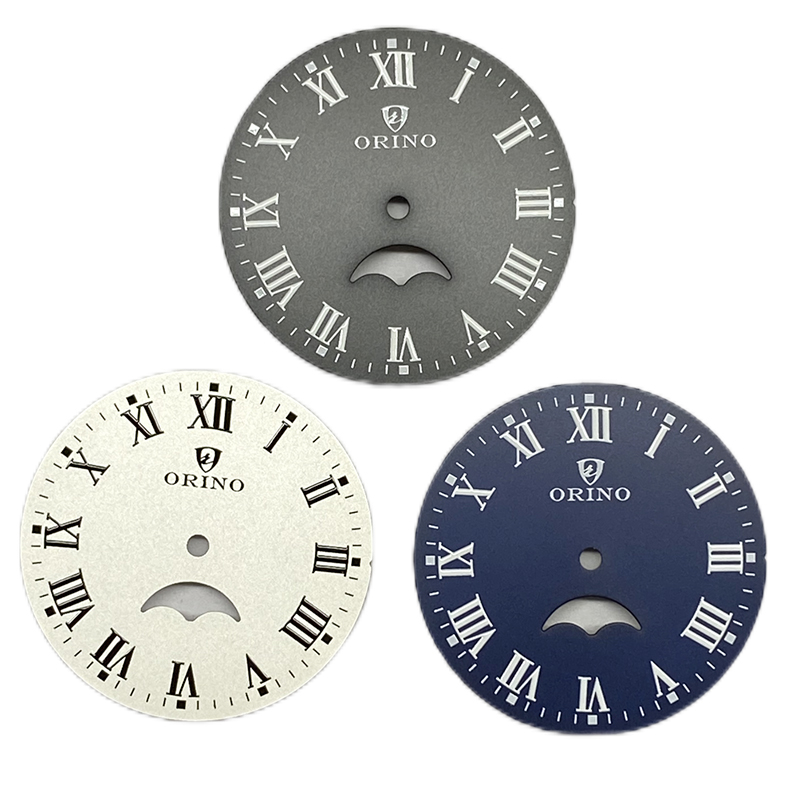
Sandblasting dials is a common watch dial treatment technology that changes the surface texture and gloss of the dial by spraying high-pressure sandblasting particles to achieve a unique artistic effect. This treatment is often used to create simple, stylish watch designs.
The process of making a sandblasted dial includes the following steps: First, select a dial material suitable for sandblasting. The dial is then fixed on a special processing device to ensure the stability and safety of the dial. Next, professional sandblasting equipment is used to spray high-pressure sandblasting particles evenly onto the dial surface. By adjusting the sandblasting pressure and sandblasting angle, the thickness and shape of the surface texture can be controlled. During the sandblasting process, care must be taken to protect other parts of the dial from unnecessary damage.
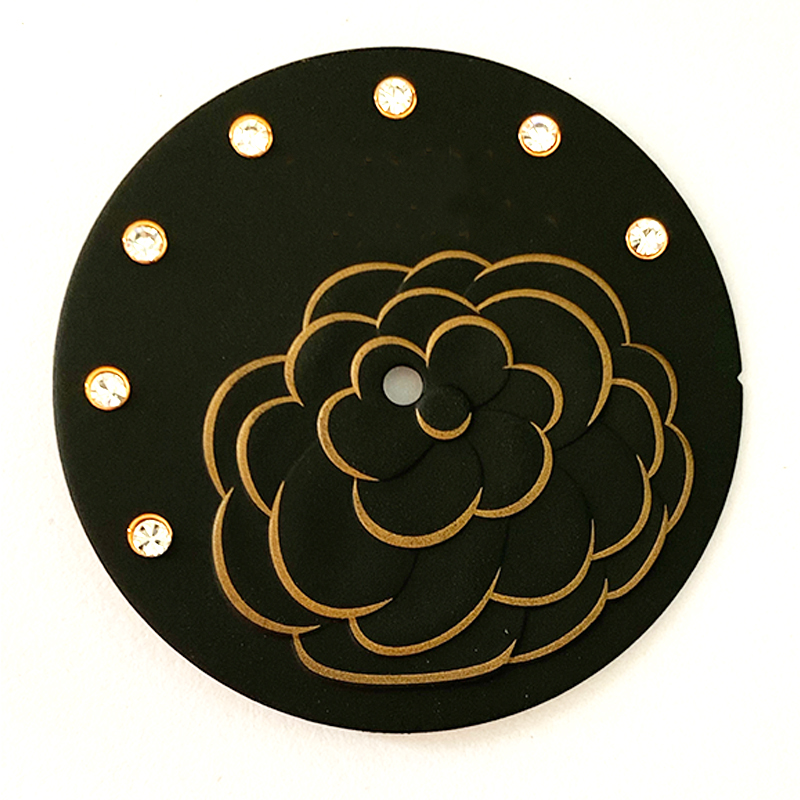
The advantage of a sandblasted dial lies in its unique visual and tactile experience. The sandblasted dial surface will show a fine frosted texture, which not only increases the fashion sense of the watch, but also effectively prevents fingerprints and scratches. At the same time, the sandblasted dial has a lower gloss, which can reduce reflections and improve the readability of the dial.
In addition to the common frosted effect, sandblasted dials can also achieve more diverse surface texture effects by adjusting the type and spraying method of sandblasting particles. For example, you can use fine sandblasting particles to create a silky-smooth surface texture; or use different sandblasting angles and levels to create a layered uneven texture. These different treatments provide watch designers with greater creative space, allowing each sandblasted dial to be unique.
In general, sandblasting dials is a common and popular watch dial treatment technology. It gives the dial a unique artistic effect and tactile experience by spraying high-pressure sandblasting particles. Whether it is simple fashion or retro classic style, the sandblasted dial can add a unique charm to the watch.